What it was.
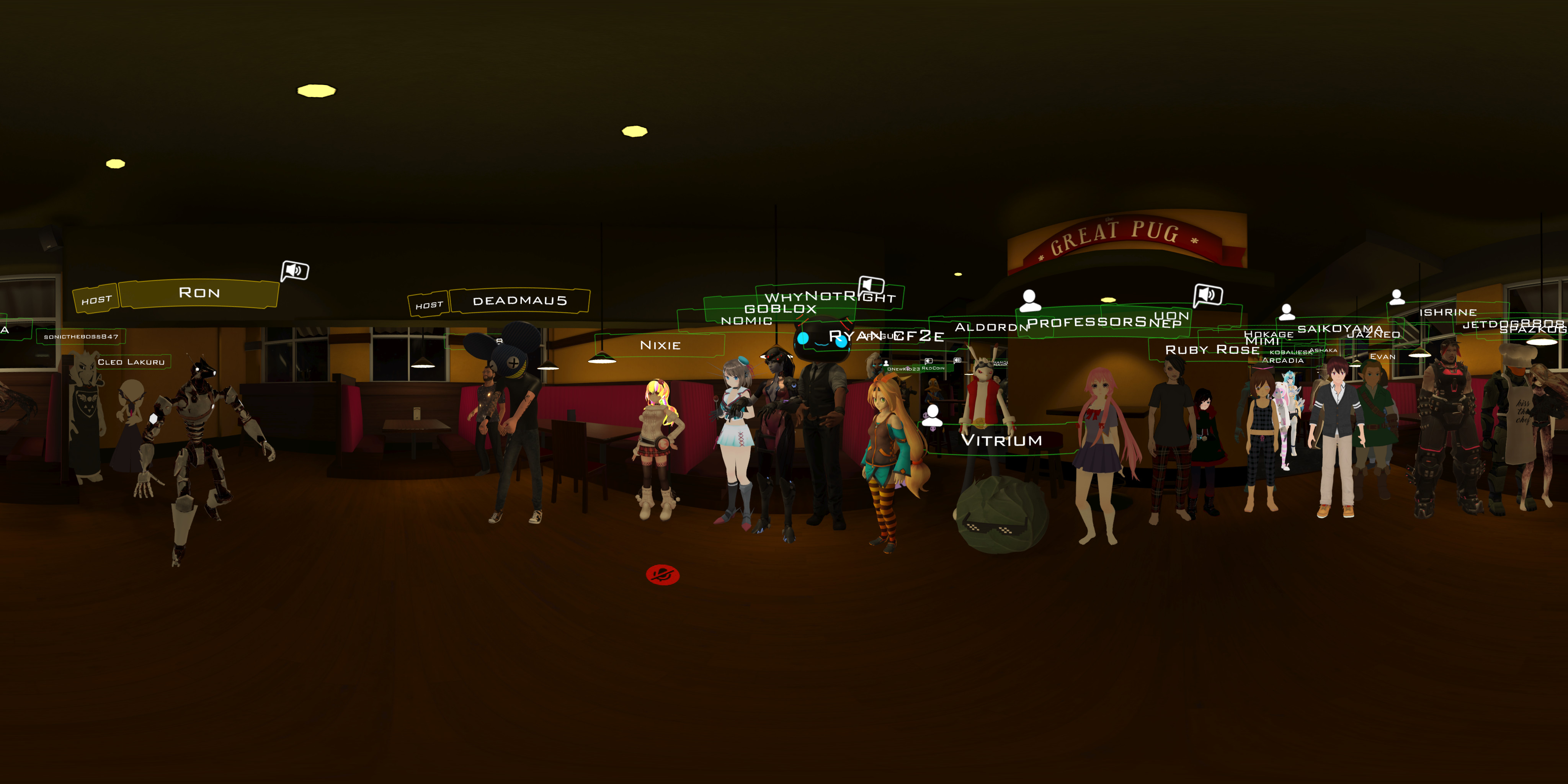
Most XR capture defaults to head-locked footage, which is functional but gives creators limited authorship over the result.
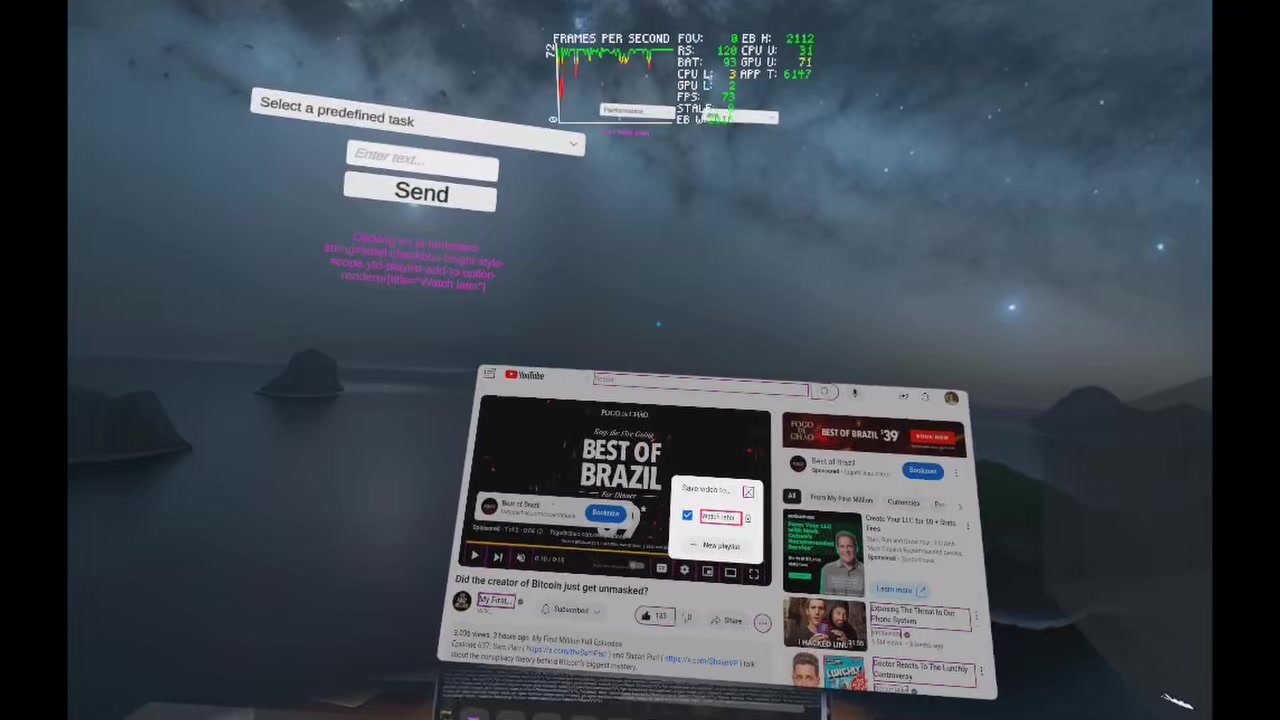
This system used a hybrid model: familiar 2D panels where precision mattered and 3D shot markers where spatial choreography mattered.
The goal was to make capture feel more like filmmaking without awkwardly transplanting a desktop camera UI into immersive space.
That improved the ceiling for creator tooling inside the product and made better footage possible from within the environment itself.
The result was a camera tool with realtime preview, spatial shot markers, and a stronger path to more intentionally authored XR footage.